Netherlands II - January 2027
725

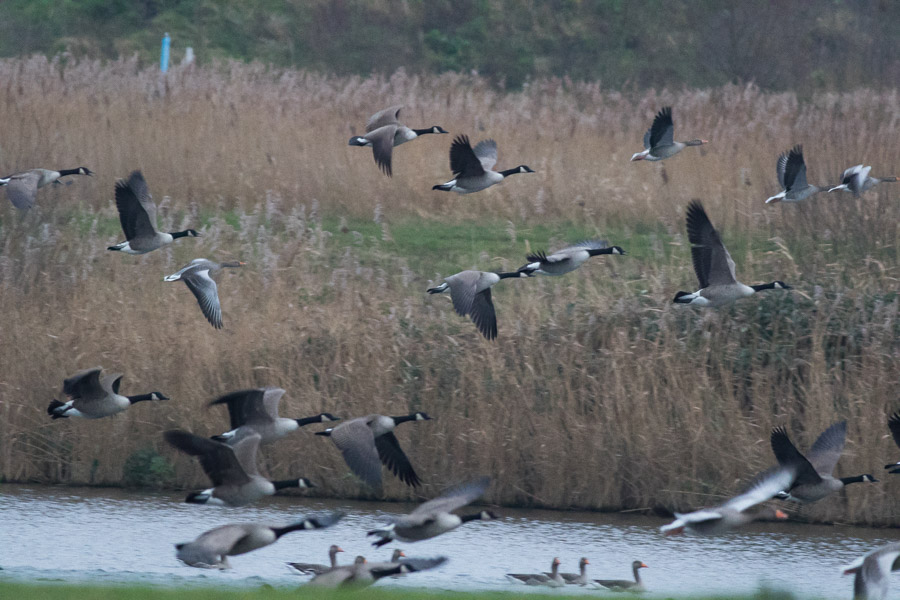
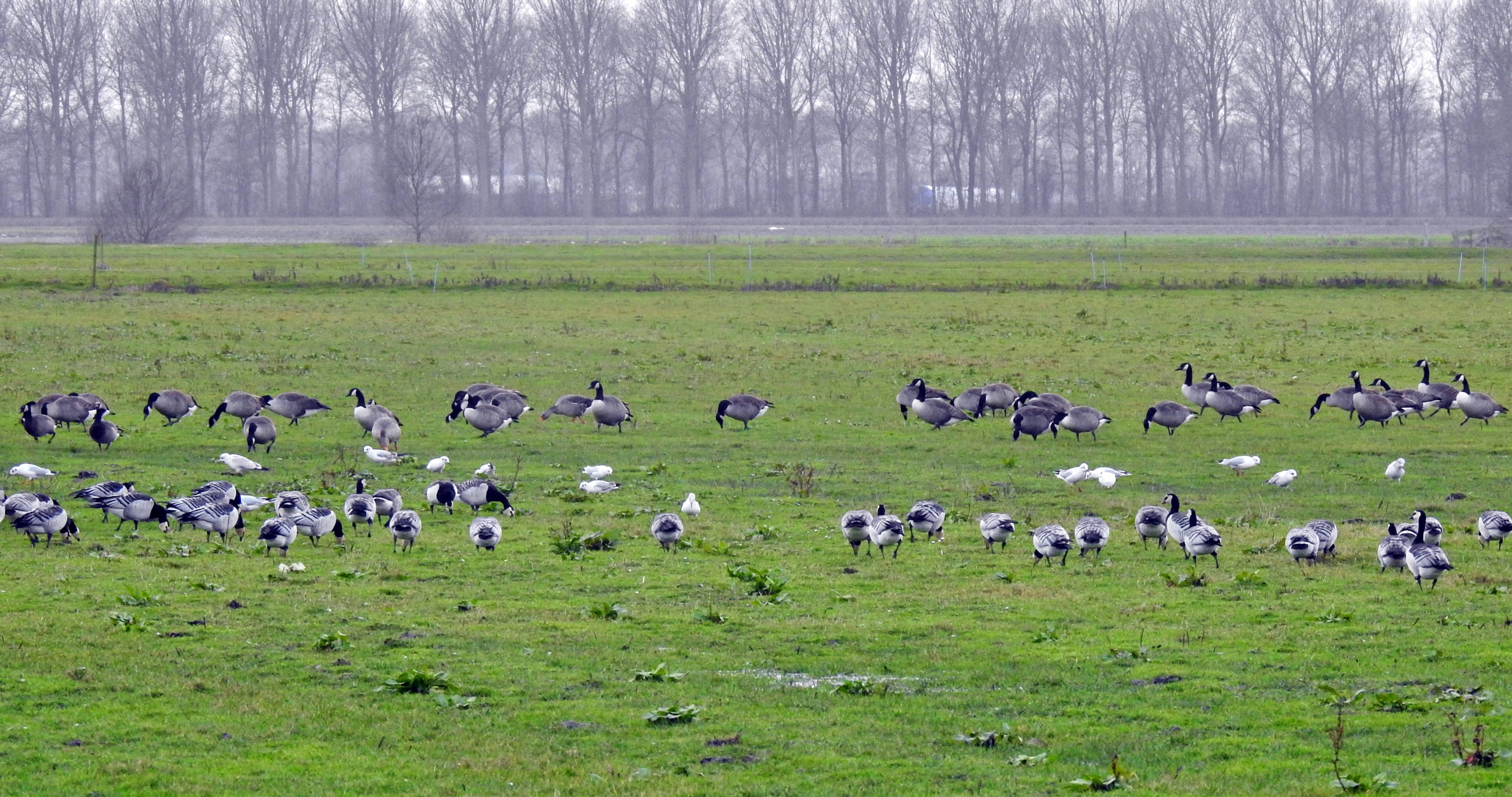
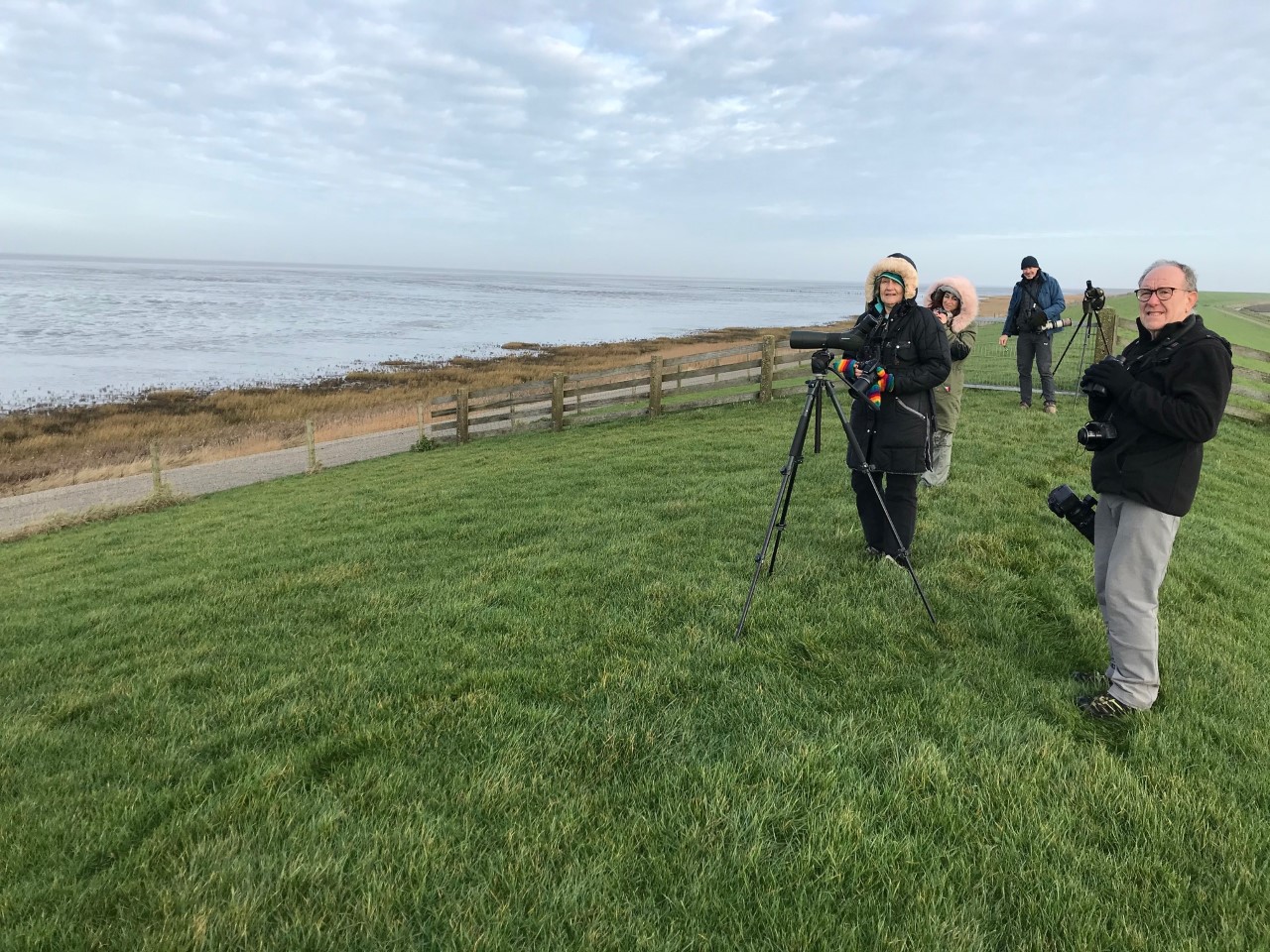
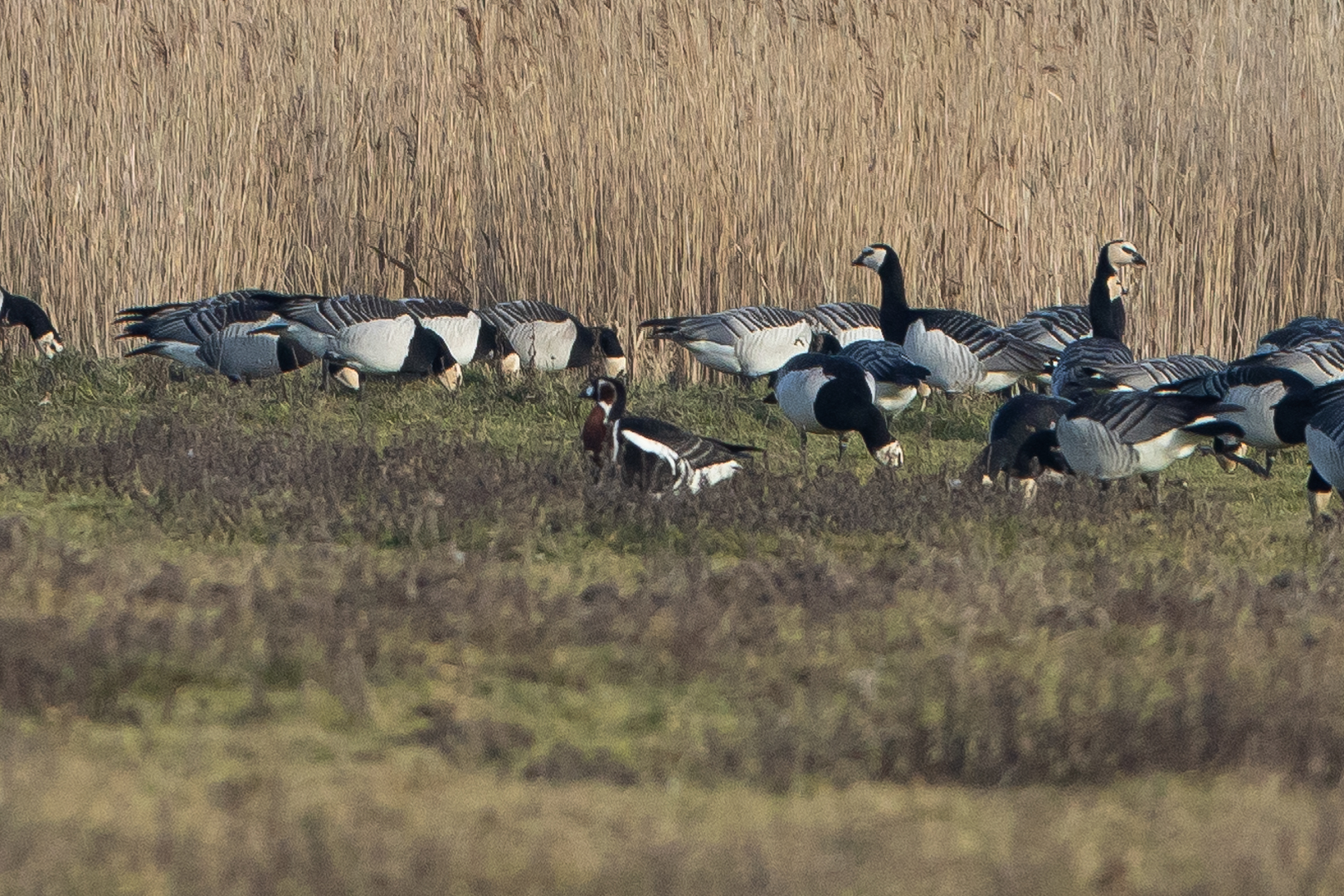
Among the various regions of northern Europe, the Netherlands stands out as the country par excellence for the wintering of large flocks of geese and other waterbirds. Several thousand individuals gather here in the vast grasslands, but also around canals and lagoons, where species such as divers, swans, and ducks of all kinds make this country one of the most recommended places for birdwatching during the winter months.
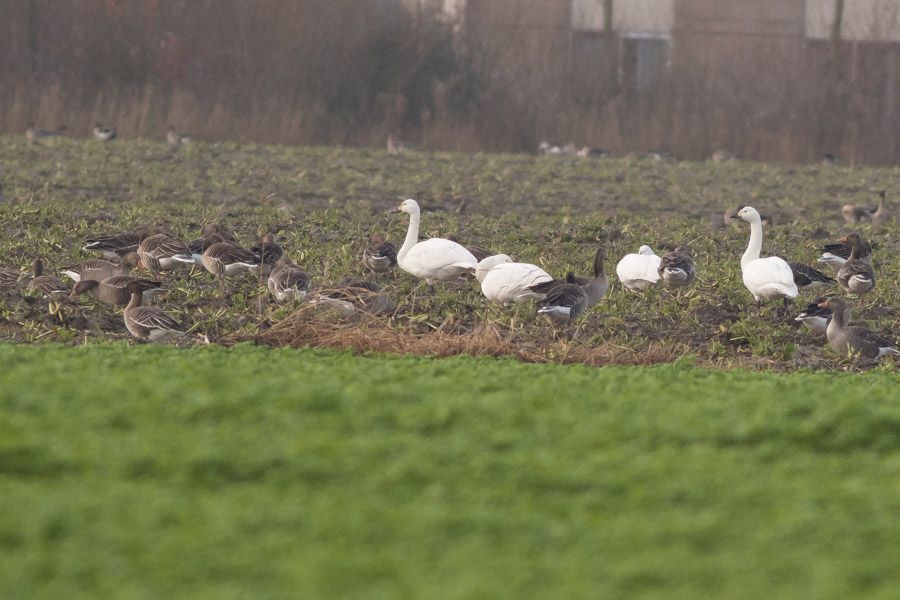
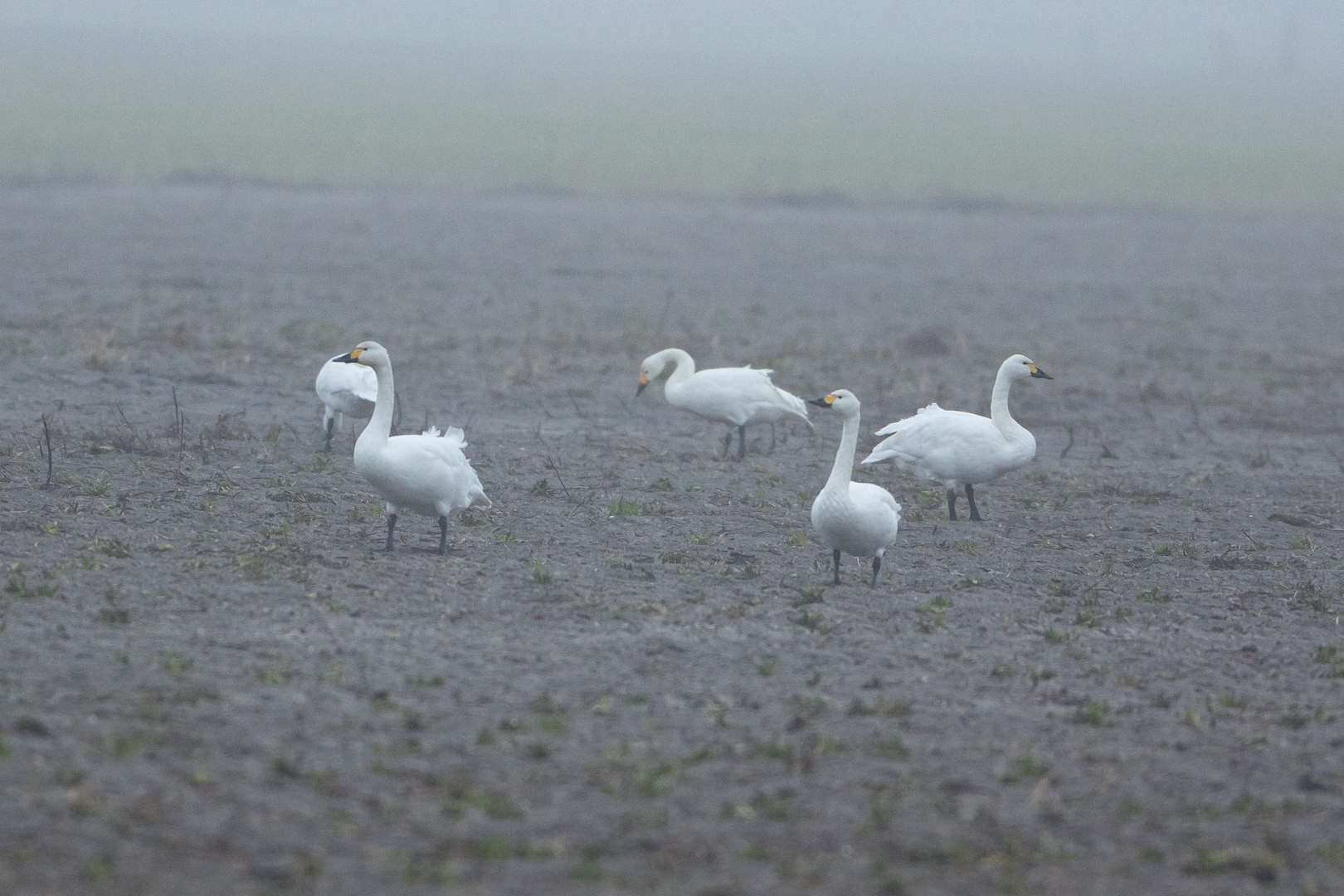
Over the course of our four-day tour, we will visit the main areas of interest, such as the Flevoland region, where it is possible to observe some White-tailed Eagles as well as Bewick's Swans; Noord-Holland, ideal for spotting Lesser White-fronted Geese; or the Friesland region, which we will reach by crossing one of the famous polders, around 30 km long, where we will enjoy this natural spectacle along with sightings of Rough-legged Buzzards, Snow Geese, large flocks of White-fronted Geese, Snow Buntings and Shore Larks.
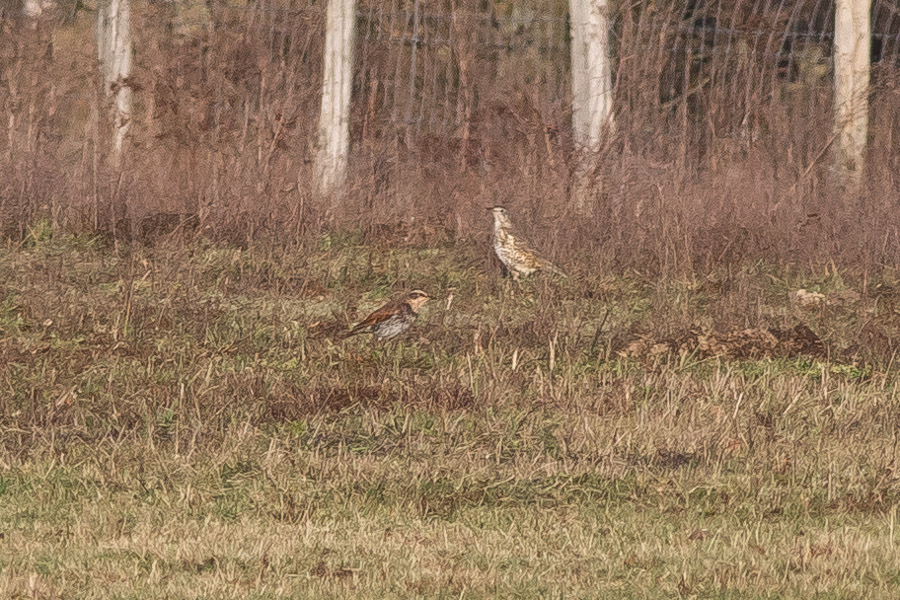
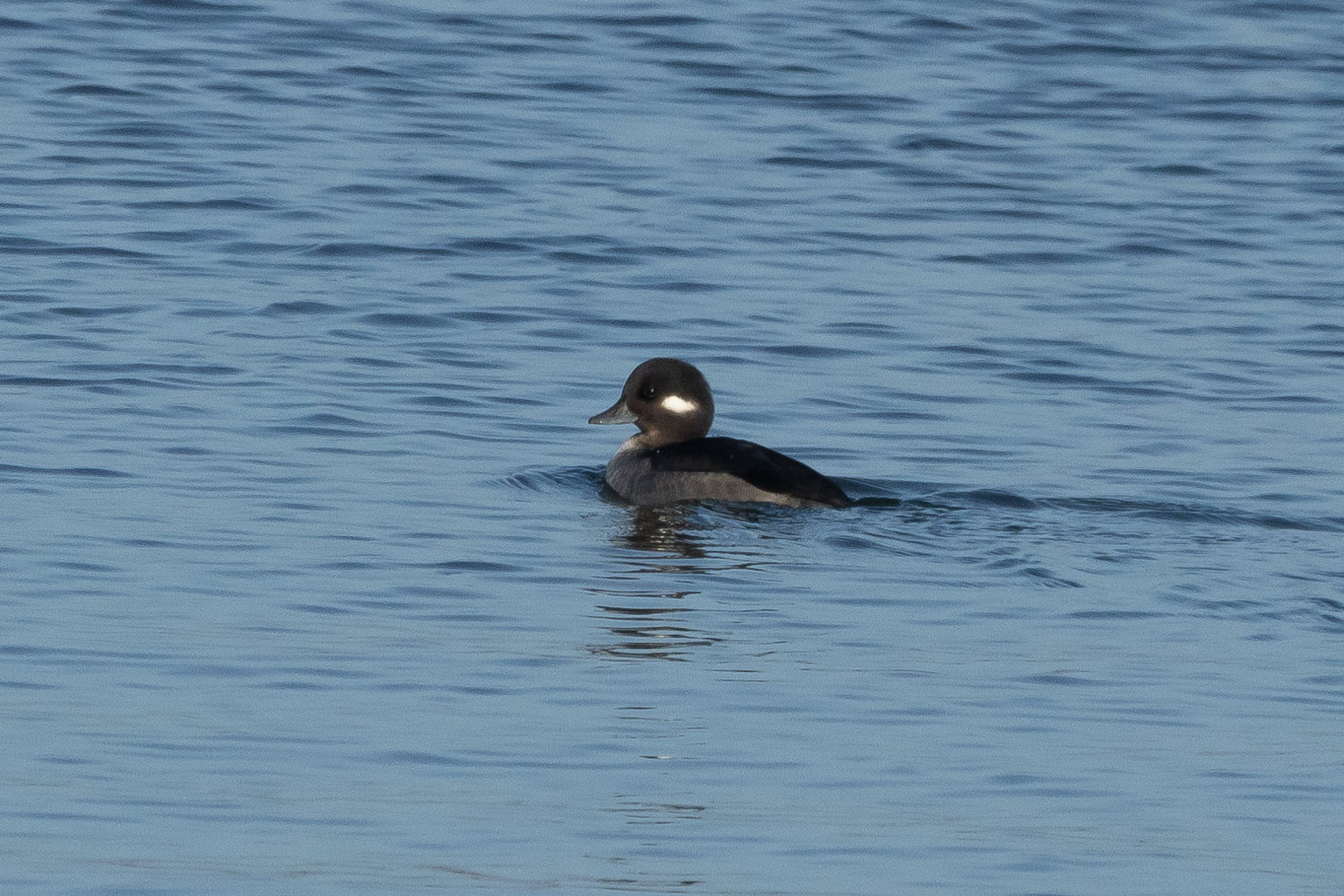
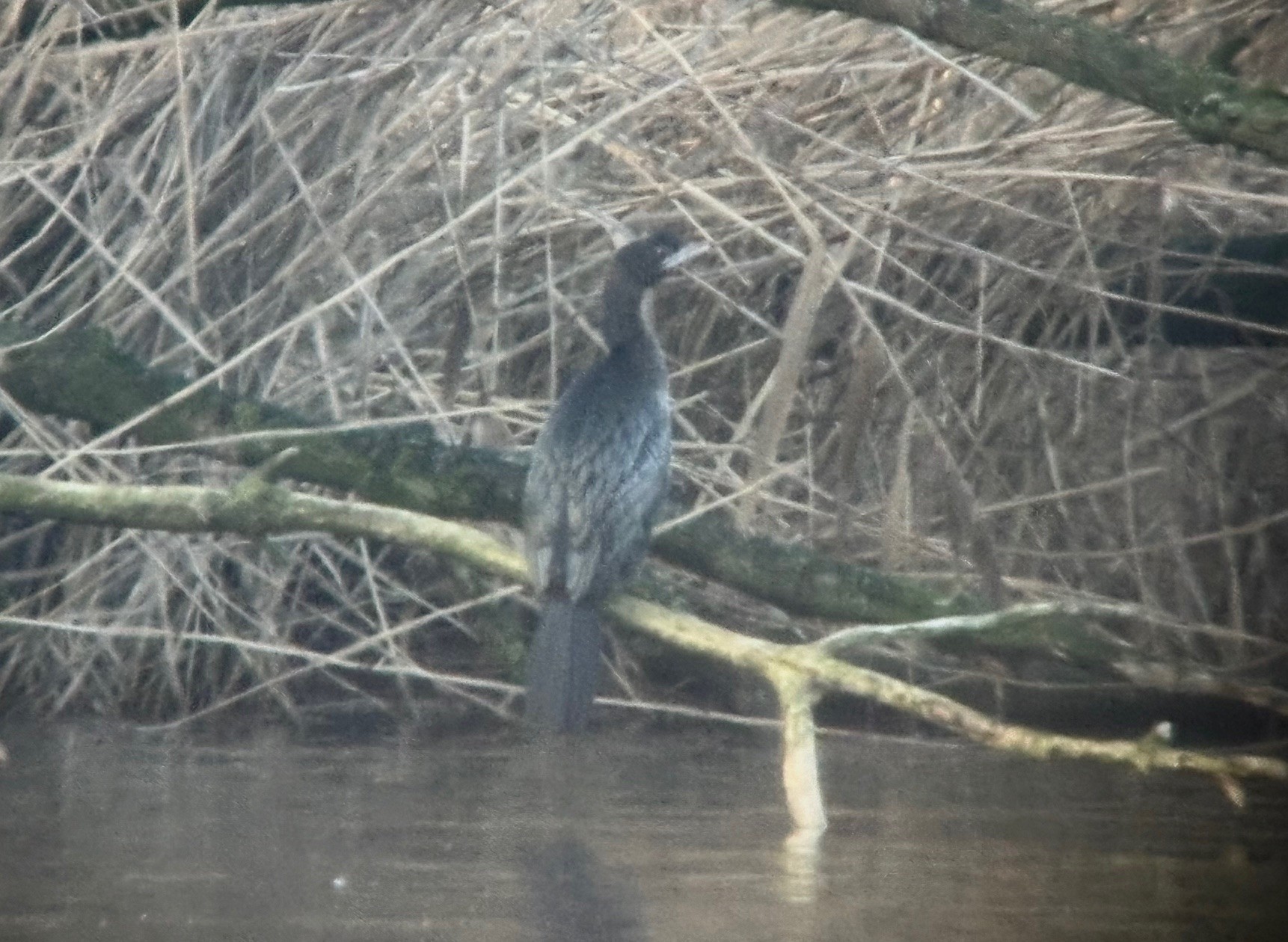
In addition, this is a region where, around this time of year, several rare species are regularly recorded — as we have experienced on previous trips — including Little Curlew, Ross’s Goose, Bufflehead, Oriental Turtle Dove, Little Bunting, Nutcracker, or Dusky Thrush, all of which will also be among our tour targets.
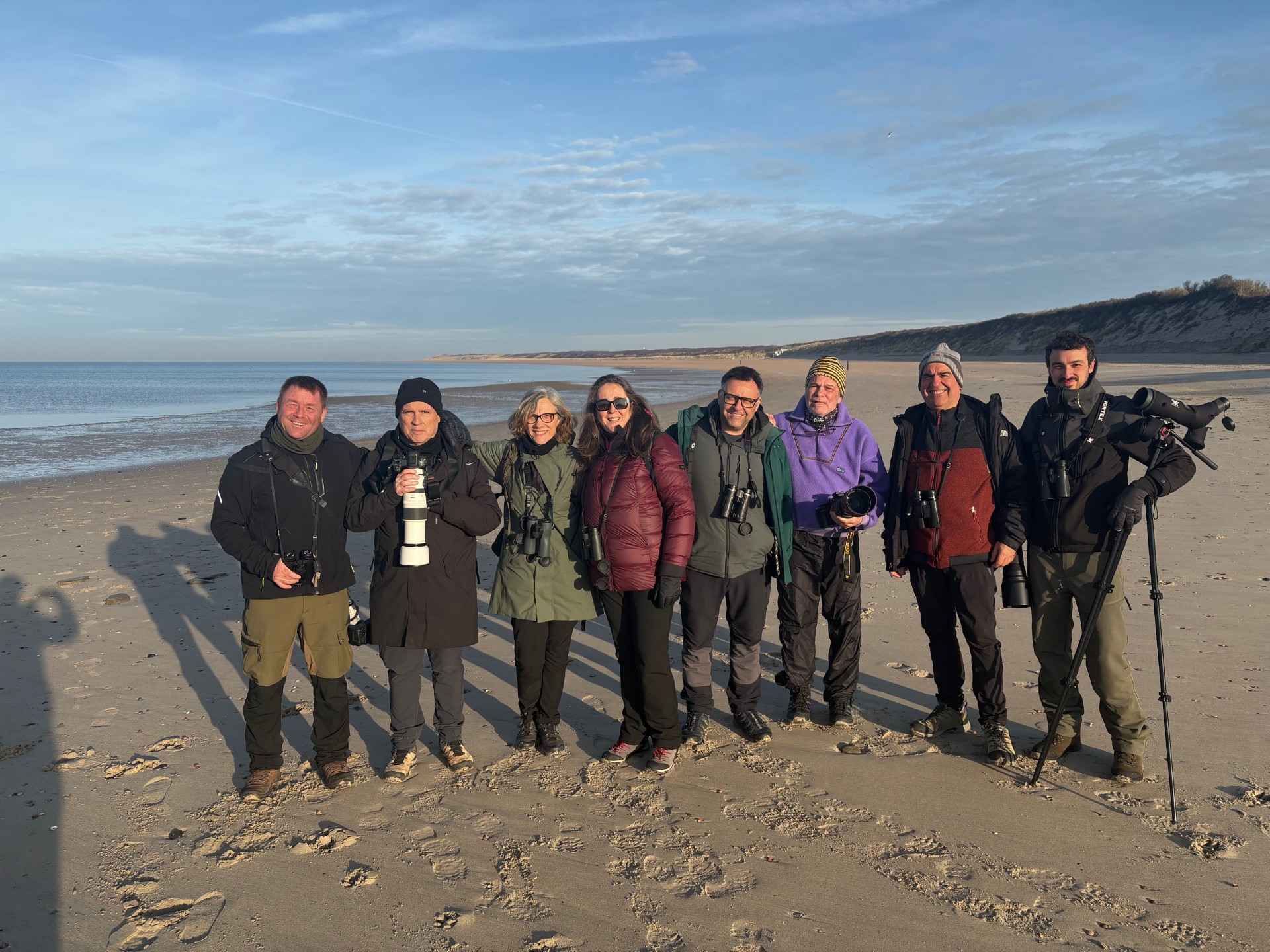
You can take a look at the trip reports from our previous visits to the Netherlands in February 2019, January 2020, January 2023, and January 2026 available on our website under the Reports section, to get a more detailed idea.
Once we arrive at Amsterdam Schiphol Airport on the morning of January 21th, our nine-seater vehicle will already be waiting for us. We will then begin our first visits in the Flevoland region, where we’ll already be able to observe some of the most characteristic species of our tour, such as White-tailed Eagle, Mute and Whooper Swans, Greater White-fronted Goose, Barnacle Goose, some Surf Scoters, and we’ll also search for Rough-legged Buzzards in the area, among many other birds.
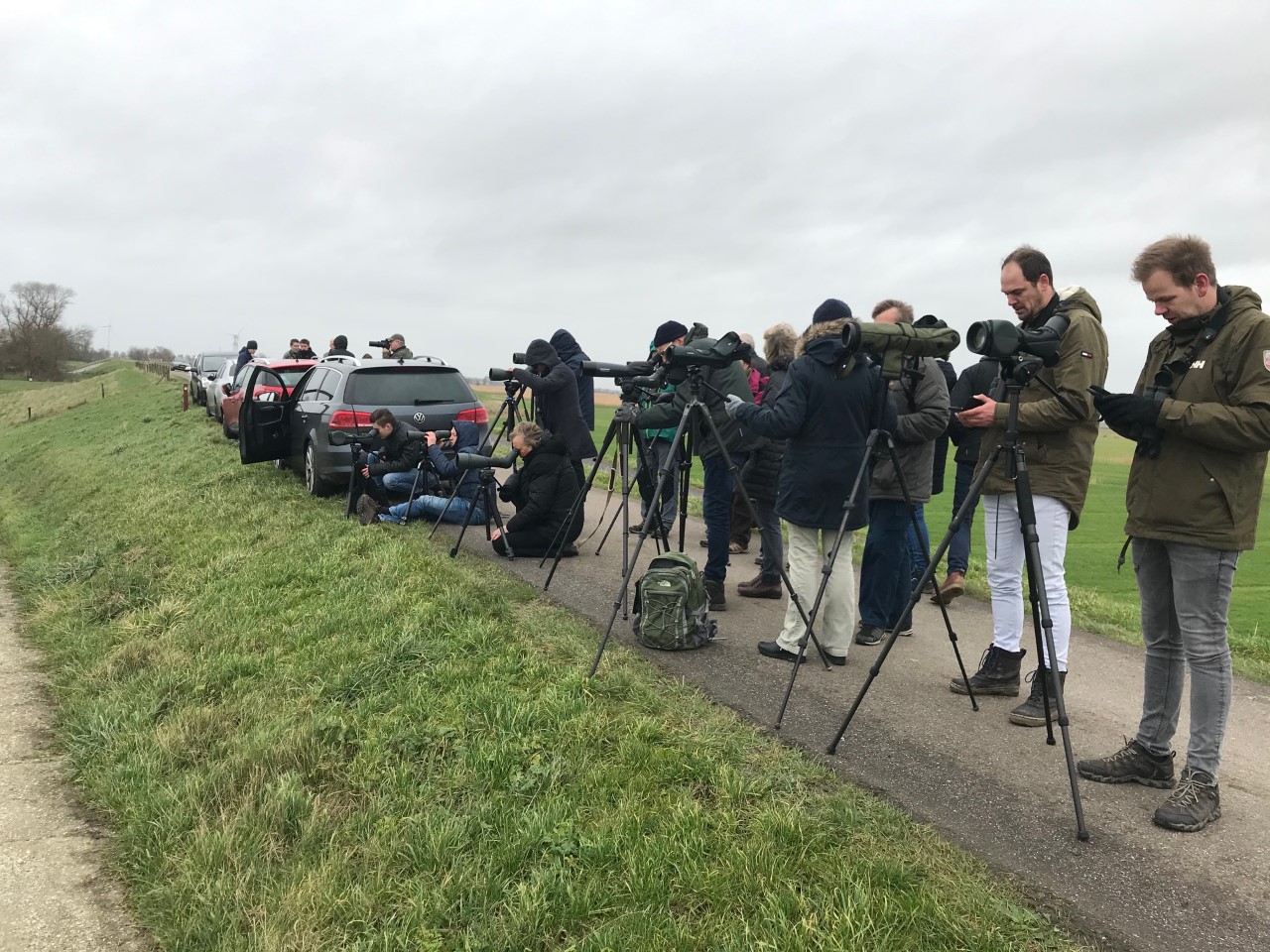
From the second day onward, all our daily excursions to the different regions will depart from our accommodation, located north of Alkmaar, which gives us easy access to the northernmost areas. Our itinerary will be adapted according to the latest birding news and sightings, alternating different zones with the main goal of observing as many bird species as possible.
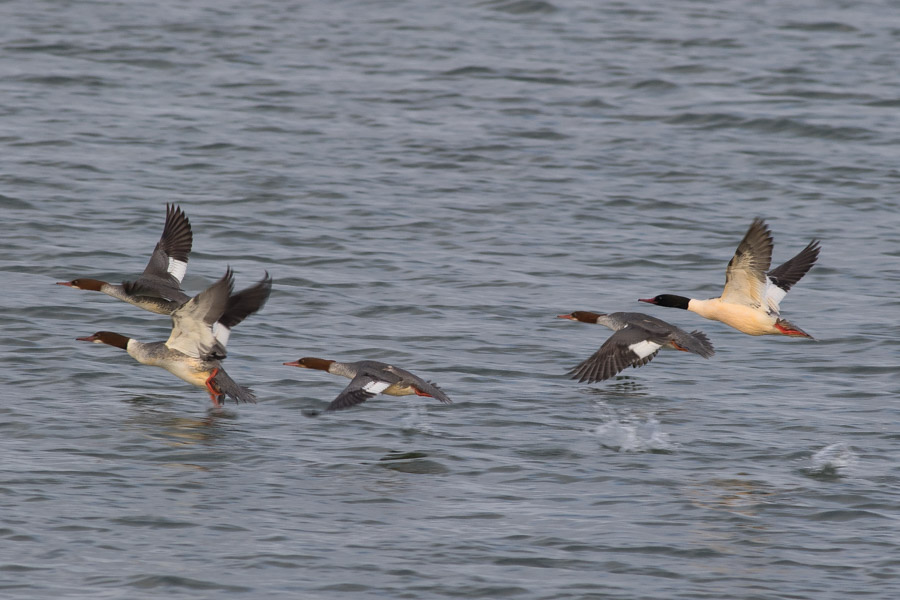
Other areas that are usually of interest include the polders of Port Zelande, located southwest of Rotterdam, where several marine species tend to gather, such as Common Guillemots, Razorbills, Scoters, Mergansers, Long-tailed Ducks, as well as Purple Sandpipers or even Grey Seals, among many others.
In the late afternoon of January 24th, we will head back to Schiphol Airport, where our tour will conclude.
Only the most relevant species:
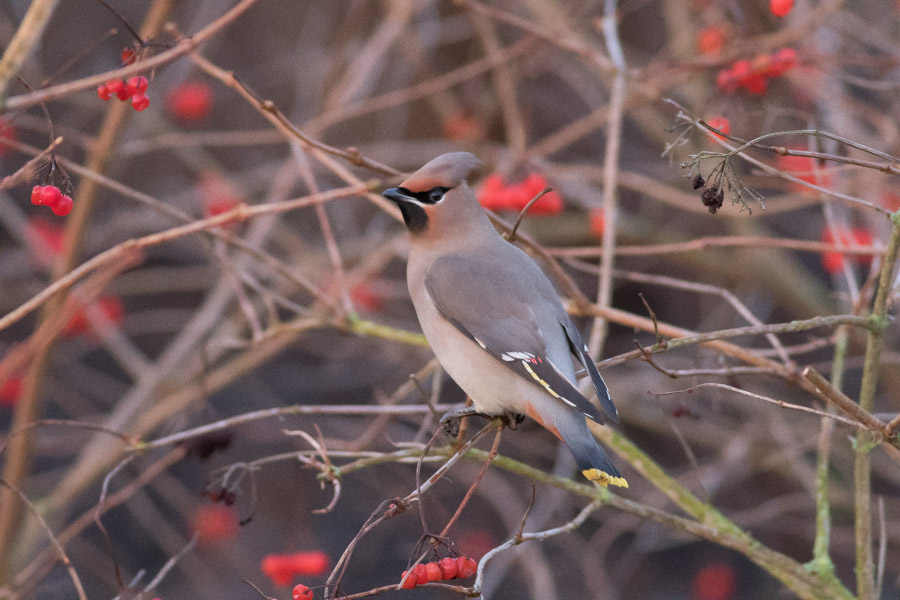
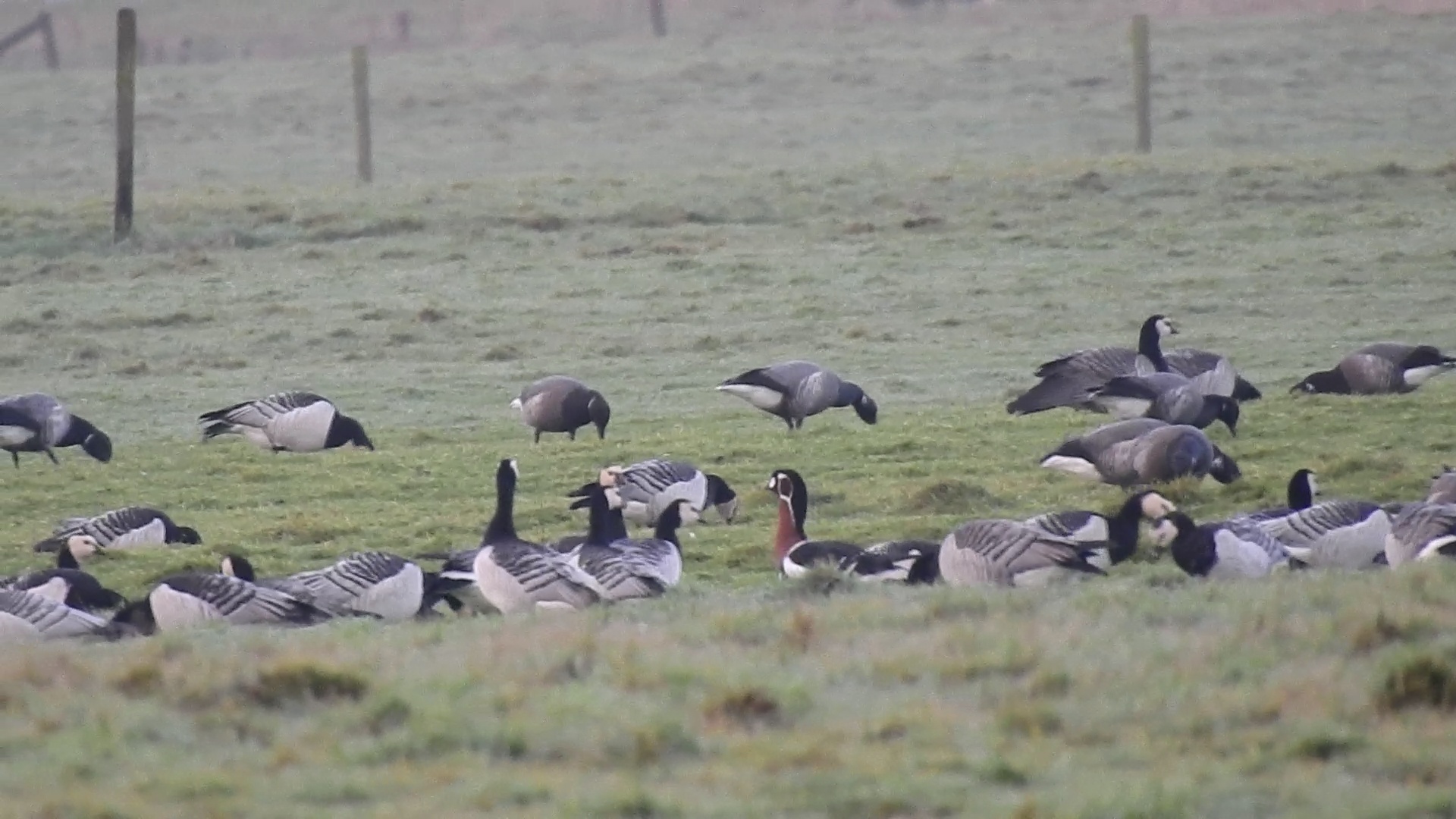
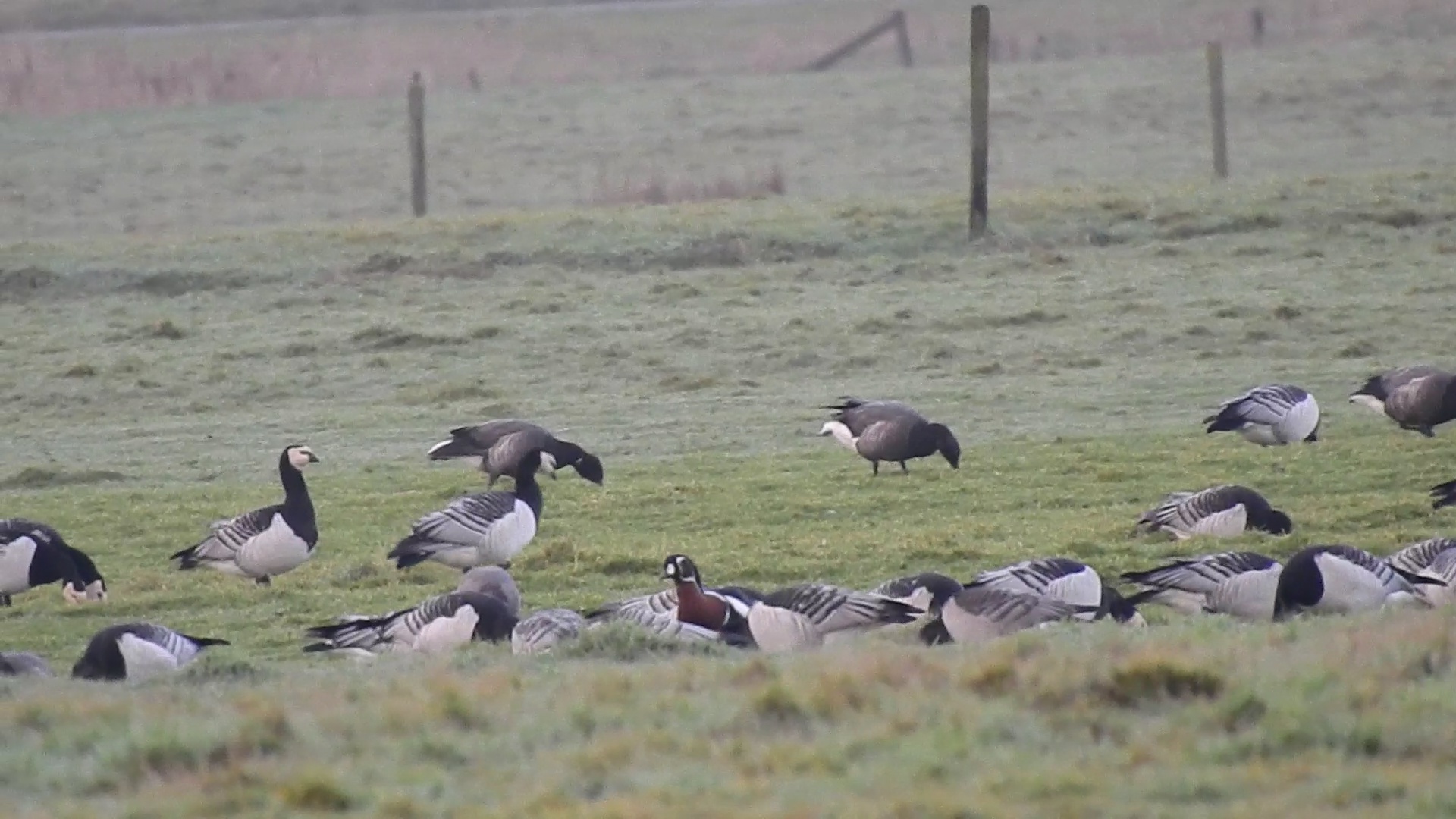
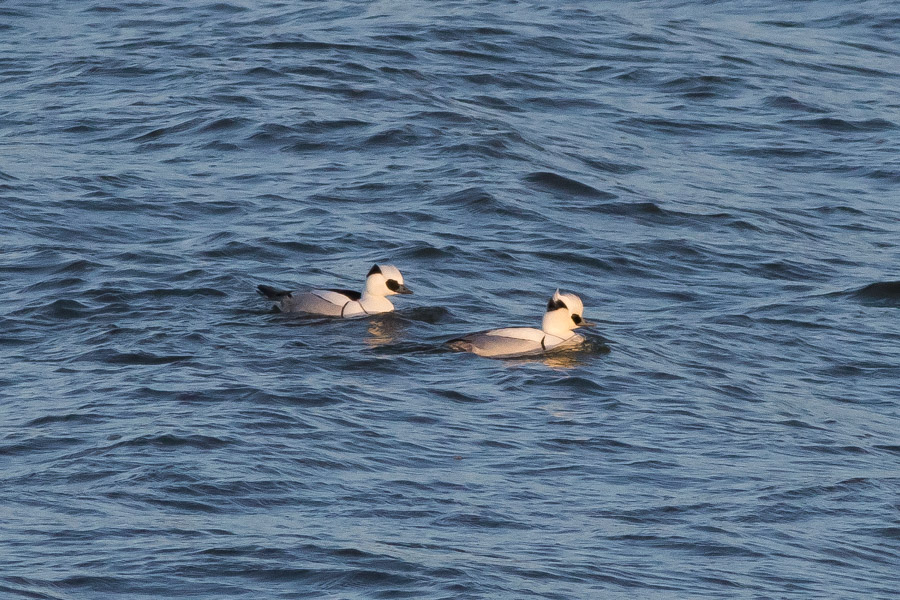
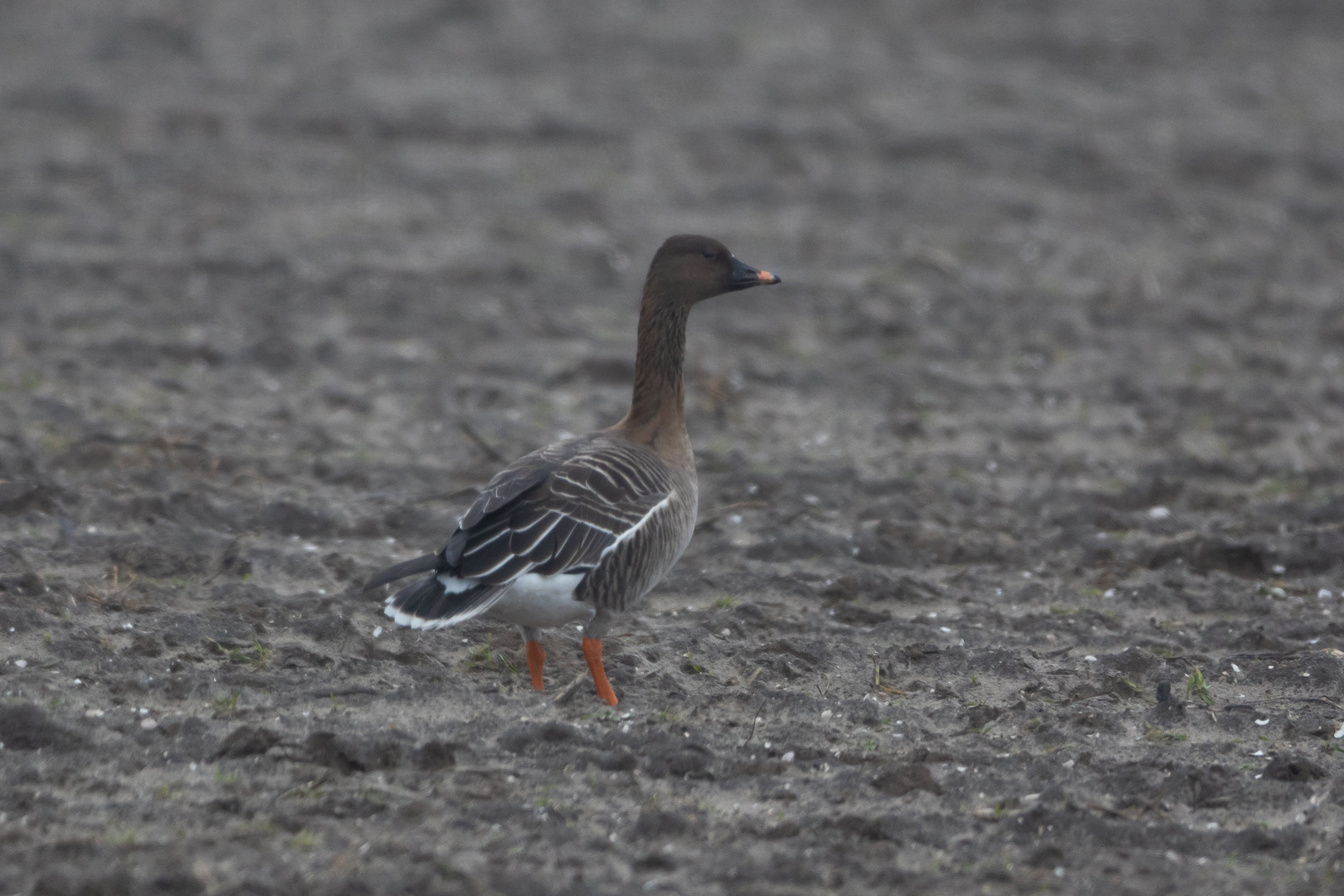
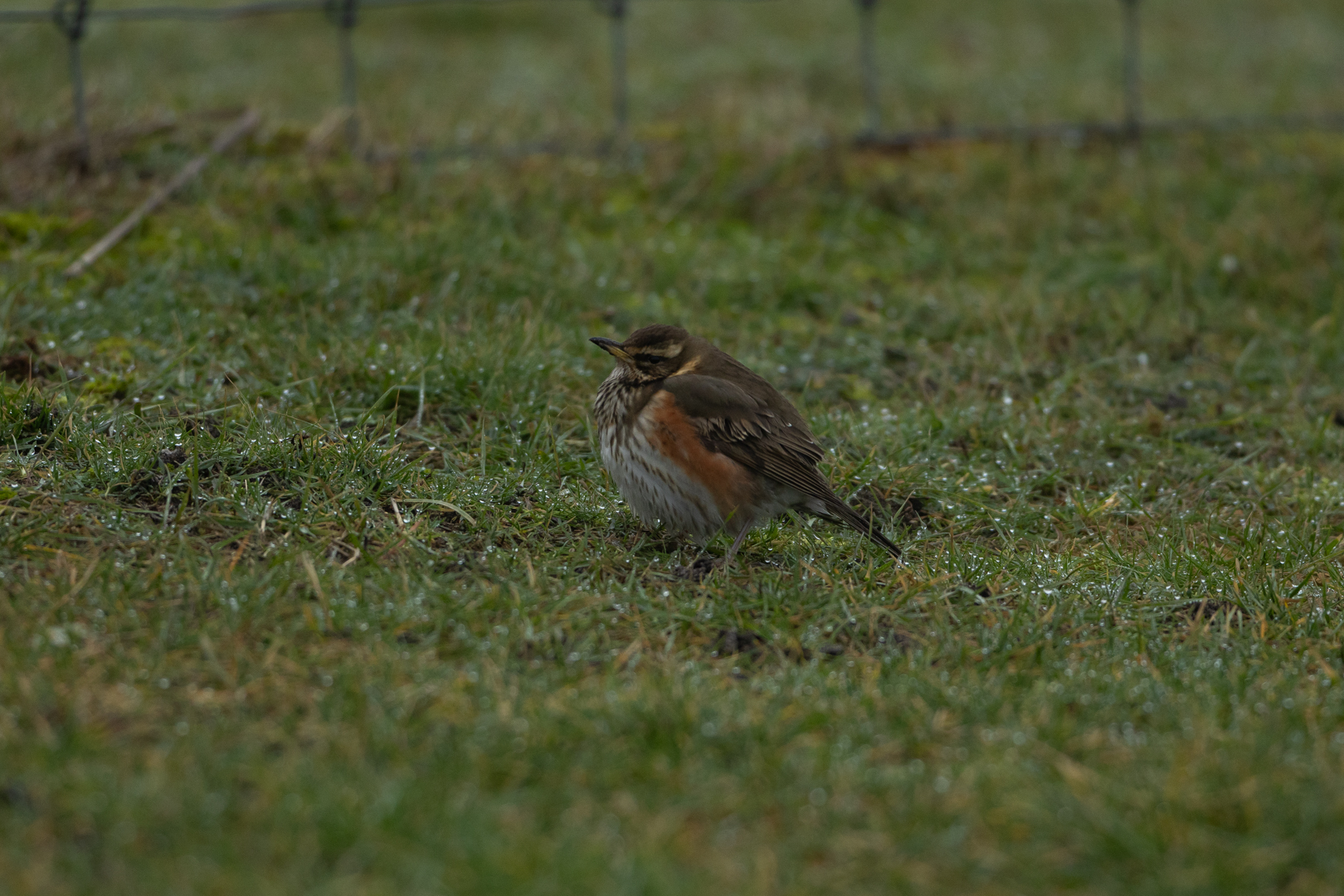
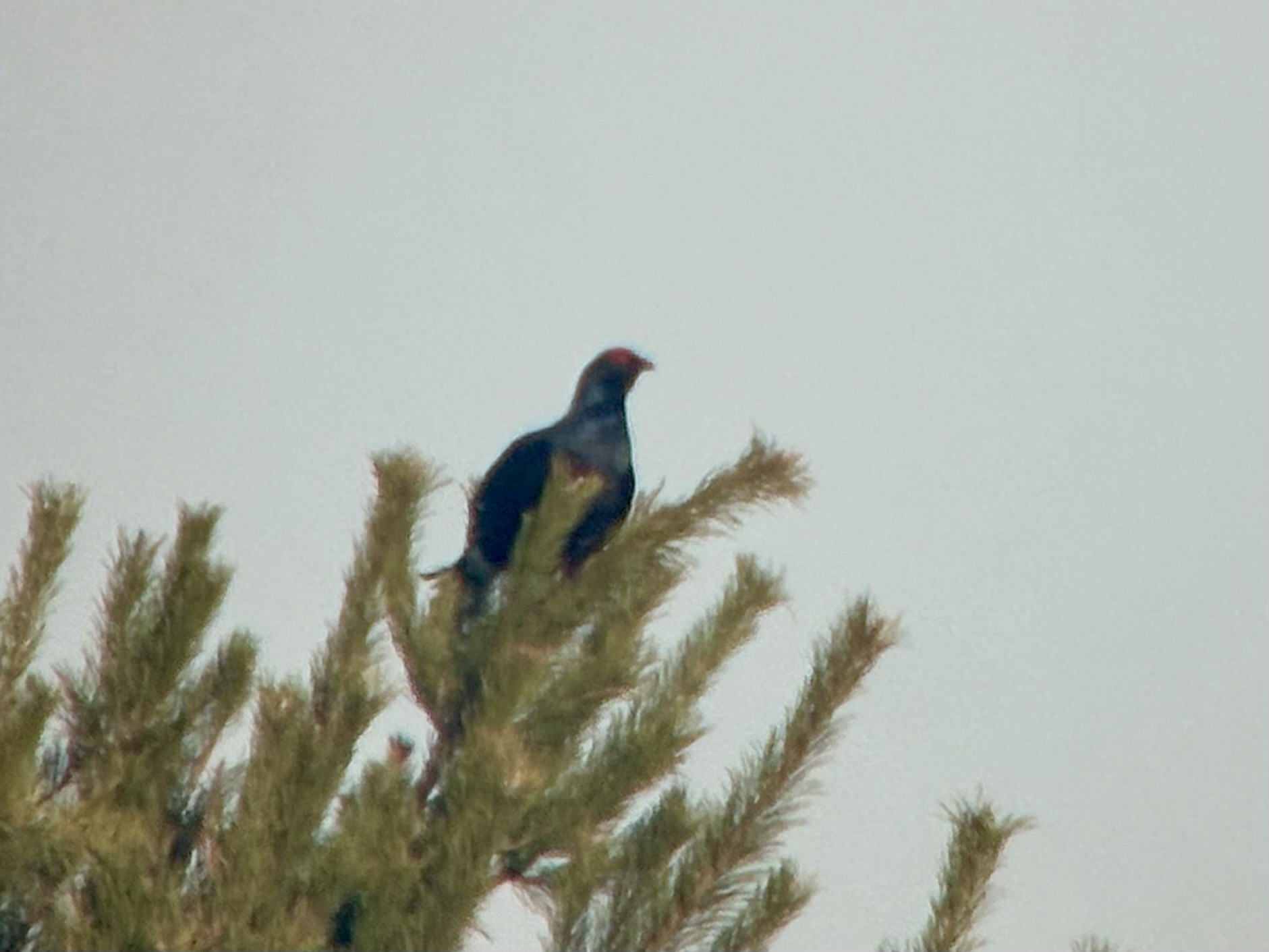
Mute Swan (Cygnus olor), Whooper Swan (Cygnus cygnus), Bewick’s Swan (Cygnus columbianus), Greater White-fronted Goose (Anser albifrons), Lesser White-fronted Goose (Anser erythropus), Taiga Bean Goose (Anser fabalis), Greylag Goose (Anser anser), Canada Goose (Branta canadensis), Barnacle Goose (Branta leucopsis), Brent Goose (Branta bernicla), Red-breasted Goose (Branta ruficollis), Egyptian Goose (Alopochen aegyptiaca), Bar-headed Goose (Anser indicus), Common Shelduck (Tadorna tadorna), Greater Scaup (Aythya marila), Common Eider (Somateria mollissima), Common Scoter (Melanitta nigra), Velvet Scoter (Melanitta fusca), Common Goldeneye (Bucephala clangula), Smew (Mergus albellus), Goosander / Common Merganser (Mergus merganser), Red-breasted Merganser (Mergus serrator), Grey Partridge (Perdix perdix), Red-throated Diver (Gavia stellata), Great Northern Diver / Common Loon (Gavia immer), Black-throated Diver / Arctic Loon (Gavia arctica), Slavonian Grebe (Podiceps auritus), White-tailed Eagle (Haliaeetus albicilla), Hen Harrier (Circus cyaneus), Rough-legged Buzzard (Buteo lagopus), Peregrine Falcon (Falco peregrinus), Eurasian Oystercatcher (Haematopus ostralegus), European Golden Plover (Pluvialis apricaria), Sanderling (Calidris alba), Purple Sandpiper (Calidris maritima), Ruddy Turnstone (Arenaria interpres), Eurasian Curlew (Numenius arquata), Bar-tailed Godwit (Limosa lapponica), Black-legged Kittiwake (Rissa tridactyla), Common Gull (Larus canus), Herring Gull (Larus argentatus), Great Black-backed Gull (Larus marinus), Common Guillemot / Common Murre (Uria aalge), Razorbill (Alca torda), Middle Spotted Woodpecker (Dendrocopos medius), Great Spotted Woodpecker (Dendrocopos major), Green Woodpecker (Picus viridis), Shore Lark / Horned Lark (Eremophila alpestris), Rock Pipit (Anthus petrosus), Bohemian Waxwing (Bombycilla garrulus), Redwing (Turdus iliacus), Fieldfare (Turdus pilaris), Marsh Tit (Poecile palustris), Willow Tit (Poecile montanus), Western Jackdaw (Corvus monedula), Rook (Corvus frugilegus), Hooded Crow (Corvus cornix), Carrion Crow (Corvus corone), Twite (Carduelis flavirostris), Common Redpoll (Carduelis flammea), Eurasian Bullfinch (Pyrrhula pyrrhula), Snow Bunting (Plectrophenax nivalis)
Accommodation for three nights (double room)
Buffet breakfast on the 22th, 23th, and 24th
9-seater vehicle transport for all four days
Birding guide: ICARO BIRDING (Ferran López)
Scope 20x60
Personal travel insurance
Shared bird lists via eBird
Breakfast on the first day
Lunches and dinners
Round-trip flights to Amsterdam
Personal expenses and phone calls
Anything not explicitly mentioned in the “What’s included?” section
It is important to note that as soon as we have reached the minimum number of participants required to carry out the tour, we will notify you to proceed with purchasing the flights. In the event that a client buys their tickets before our notification, Icaro Birding Experience SL will not be responsible for the cost of these airline tickets in case of cancellation. The approximate cost of the flights is around €150 round trip.
Recommended flights:
21.01.2027 – Departure from Barcelona at ?? : ?? h and arrival in Amsterdam (Schiphol) at ?? : ?? h
24.01.2027 – Departure from Amsterdam (Schiphol) at ?? : ?? h and arrival in Barcelona at ?? : ?? h
Please note that in the Netherlands, at this time of year, it is usually quite cold, so it will be necessary to bring warm thermal clothing, as well as gloves and a hat. It's also advisable to bring a raincoat, just in case. Bringing a camera is highly recommended, whether for bird photography or landscapes — but don’t forget that batteries tend to drain faster in low temperatures.
Aeroport Amsterdam Schiphol
RELATED REPORTS
Netherlands - January 2026 Netherlands - January 2023 Netherlands - January 2020 Netherlands - February 2019